
Ask a question

You can ask questions or search for stories, guides, or tools that help you.

Accessibility settings

The website remembers your choices on this device only. If you use another phone or computer, your settings will not be there.
Add to your home screen

Install this website as an app so you can open it quickly from your home screen or desktop.

Prefer Easy Read

You can choose to see Easy Read content if it is available. It shows pictures and simple words. Move the button to "On" to see Easy Read first.

Presentation

The site will use your system settings to choose a light or dark theme. You can also choose a specific theme for this website.

Glossary

Some words can be clicked to view an explanation. If you find this is distracting, you can choose to hide it.

Choose topics to hide

Turn off content you don't want to see right now.

When you are in hospital

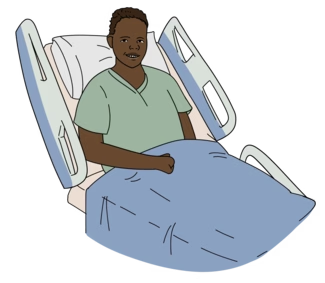
A man with an intellectual disability sits in a hospital bed.

It is important to know your rights and what to expect when you got to hospital.

Everyone who goes to hospital should know how things are going to work when they are there.

Some things that happen in hospital are:

  • Getting . This can include filling in forms and sharing some information about what you need to have a good stay in hospital.
  • Being in an Emergency Department. This is when you go to hospital in a hurry. It is hard to plan for this but it is a good idea to tell hospital workers if you feel worried or don't understand what they have said.
  • Getting discharged. This is when you leave a hospital with information about what you need to do when you go home to stay healthy.
  • Outpatient care. This is when you come back to hospital for appointments or follow up care.

People who work in hospitals are there to help. Telling nurses, doctors and other health professionals about what you need can help them help you. 

Tools like communication boards can help you say what you feel and what you want.