Ask a question

You can ask questions or search for stories, guides, or tools that help you.

Accessibility settings

The website remembers your choices on this device only. If you use another phone or computer, your settings will not be there.

Add to your home screen

Install this website as an app so you can open it quickly from your home screen or desktop.

Prefer Easy Read

You can choose to see Easy Read content if it is available. It shows pictures and simple words. Move the button to "On" to see Easy Read first.

Presentation

The site will use your system settings to choose a light or dark theme. You can also choose a specific theme for this website.

Glossary

Some words can be clicked to view an explanation. If you find this is distracting, you can choose to hide it.

Choose topics to hide

Turn off content you don't want to see right now.

How professionals, family and carers can respect health rights

Support worker standing beside a man holding a folder.

About Easy Read

Easier words with pictures to help explain some ideas.
Other people must respect health rights

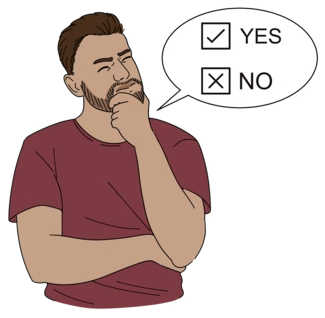
A man looking thoughtful with a speech bubble that says Yes and No

People with intellectual disability can make choices about their health.

Health workers, families and supporters must respect people's health rights.

They can learn about health rights we all have.

They can 

  • Give health information people can use and understand
  • Speak to the person first, not their carer or supporter
  • Use supported decision making.

We all have the same health rights, including the right to make choices about health.

Respect for health rights shows people that they matter. It builds trust and supports .

You can respect health rights by:

  • Learning about the health rights we all share
  • Giving people health information they can use and understand
  • Speaking to the person first, not their carer or supporter
  • Making reasonable adjustments, changes that help make health care more fair
  • Supporting people to say what they need and speak up if their needs are not met
  • Using .